
Leave Your Message
Explore our high-performance composite antioxidant and functional additive series, specifically designed to protect acidic dairy beverages from oxidation, color degradation, and flavor loss.


Acidic dairy beverages — including yogurt drinks, lactic acid bacteria beverages, fermented milk drinks, and whey-based acidic dairy products — represent one of the fastest-growing segments in the global functional beverage market. These products are formulated within a low-pH environment (typically pH 3.5–4.5), which creates unique challenges for oxidative stability, color retention, and flavor freshness during storage and distribution.
Food antioxidants play a mission-critical role in these formulations. Unlike neutral or alkaline food matrices, the acidic environment of dairy beverages accelerates lipid peroxidation, vitamin degradation, and Maillard browning reactions. Without effective antioxidant intervention, products may develop off-flavors, color changes, and reduced nutritional value — all of which directly impact consumer acceptance and brand reputation.
🔬 Key Insight: In acidic dairy beverages, oxidative stress is significantly amplified compared to neutral dairy products, making the selection and dosage of food antioxidants a critical formulation decision for product quality and shelf-life.
The primary categories of food antioxidants used in acidic dairy beverages include: natural antioxidants (such as ascorbic acid / Vitamin C, tocopherols / Vitamin E, rosemary extract, and green tea polyphenols), synthetic antioxidants (such as BHA, BHT, TBHQ, and PG), and composite antioxidant systems that synergistically combine multiple antioxidant compounds with chelating agents, pH adjusters, and emulsifiers to deliver superior protection in complex acidic dairy matrices.
Composite antioxidants inhibit lipid oxidation and protein degradation, extending the shelf life of acidic dairy beverages by 30–60% compared to non-treated formulations, reducing waste and improving supply chain efficiency.
Antioxidants prevent oxidative browning and pigment degradation in fruit-flavored acidic dairy drinks, maintaining the vibrant, appealing appearance that consumers expect throughout the product's shelf life.
By scavenging free radicals and chelating pro-oxidant metal ions (Fe²⁺, Cu²⁺), antioxidant systems prevent the development of rancid, metallic, or cardboard off-flavors in acidic dairy beverages.
Vitamins, probiotics, and bioactive peptides in acidic dairy beverages are highly susceptible to oxidative degradation. Antioxidants protect these functional ingredients, preserving the health claims and nutritional value of the product.
Well-formulated composite antioxidant systems comply with GB 2760, FDA 21 CFR, EU Regulation (EC) No 1333/2008, and other international food additive regulations, enabling global market access for acidic dairy beverage brands.
Composite antioxidant formulations combine primary antioxidants (radical scavengers) with secondary antioxidants (chelators, oxygen scavengers) to deliver synergistic protection that far exceeds the performance of any single antioxidant compound.
The global food antioxidants market was valued at over USD 1.2 billion in 2023 and is projected to grow at a CAGR of 5.8% through 2030, driven largely by expanding consumption of functional and fortified dairy beverages across Asia-Pacific, Latin America, and the Middle East. China alone accounts for approximately 28% of global acidic dairy beverage production, making it the world's largest single market for antioxidant applications in this category.
Key commercial drivers include: the rapid growth of ambient-temperature (UHT) acidic dairy beverages requiring extended 6–12 month shelf lives; the clean-label trend pushing formulators toward natural antioxidant systems; the premiumization of probiotic drinks requiring antioxidant protection of live bacterial cultures; and increasing regulatory scrutiny on synthetic antioxidants accelerating the transition to nature-identical and natural alternatives.
China has emerged as the world's leading manufacturer and exporter of food-grade antioxidants for acidic dairy applications. Domestic producers such as Nanchang Tellcan Food Science Co., Ltd. have developed proprietary composite antioxidant systems specifically engineered for the unique challenges of acidic dairy beverage matrices. These China-origin composite antioxidants are increasingly adopted by international dairy beverage brands seeking cost-effective, technically superior, and regulatory-compliant antioxidant solutions.
📊 Market Fact: Asia-Pacific dominates the acidic dairy beverage antioxidant market, with China, Japan, and South Korea collectively representing over 45% of global demand for composite antioxidant systems in this application segment.
Despite the clear benefits, industrial formulators face several technical challenges when deploying antioxidants in acidic dairy beverages: achieving uniform dispersion of fat-soluble antioxidants (such as tocopherols) in water-based acidic matrices; maintaining antioxidant stability under UHT processing temperatures (135–150°C); ensuring compatibility with acidulants (citric acid, lactic acid, malic acid) and sweetener systems; and avoiding interactions with protein fractions that can reduce antioxidant bioavailability. These challenges have driven significant R&D investment in microencapsulation technologies, emulsified antioxidant delivery systems, and synergistic composite formulations.
Consumer demand for "free from artificial additives" labeling is accelerating the reformulation of acidic dairy beverages with plant-derived antioxidants including green tea catechins, grape seed extract, rosemary diterpenes, and vitamin C from natural sources. Composite systems combining these naturals with synergistic chelating agents (such as EDTA alternatives from natural origins) are the fastest-growing segment in the antioxidant market for dairy beverages.
Advanced microencapsulation using maltodextrin, modified starch, or liposomal carriers enables precise delivery of antioxidants at the target site in acidic dairy matrices, protecting sensitive compounds from degradation during high-temperature processing and improving bioavailability. Nano-emulsion technology is particularly promising for dispersing lipophilic antioxidants such as tocopherols and carotenoids in water-based acidic dairy beverages.
Artificial intelligence and machine learning platforms are increasingly being used by leading food ingredient companies to optimize composite antioxidant formulations for specific acidic dairy beverage applications. By analyzing thousands of formulation variables including pH, water activity, fat content, processing temperature, and packaging type, AI systems can predict optimal antioxidant combinations and dosage levels, dramatically reducing formulation development time and cost.
The circular economy trend is driving innovation in upcycled antioxidants derived from food processing by-products: pomace from fruit juice production, spent grain from brewing, and whey permeate from cheese making are all rich sources of polyphenols and other antioxidant compounds. These upcycled ingredients offer both sustainability credentials and cost advantages for acidic dairy beverage formulators.
Beyond simple oxidative stability, next-generation antioxidants for acidic dairy beverages are being selected for their documented health benefits: vitamin C for immune support, coenzyme Q10 for cellular energy, astaxanthin for anti-aging, and polyphenols for cardiovascular health. This dual-function approach — protecting product quality while delivering consumer health benefits — is reshaping product positioning and premium pricing strategies in the acidic dairy beverage category.
The integration of antioxidant-active packaging materials with internal antioxidant systems is emerging as a holistic approach to oxidative stability management in acidic dairy beverages. Oxygen scavenger sachets, antioxidant-releasing films, and modified atmosphere packaging combined with optimized internal antioxidant formulations deliver superior shelf-life performance compared to either approach alone.
Ultra-high-temperature processed ambient yogurt drinks require antioxidant systems that can withstand temperatures of 135–150°C for 2–4 seconds without degradation, while providing continuous protection throughout a 6–12 month ambient shelf life. Composite antioxidant systems combining heat-stable ascorbic acid with tocopherol-rich vegetable extracts and citric acid chelators are the preferred solution for this demanding application. The antioxidant system must also be compatible with the stabilizer system (typically modified starch + pectin or carrageenan) to avoid any adverse textural effects.
Live probiotic cultures in acidic dairy beverages are highly sensitive to oxidative stress, which can reduce viable cell counts below the minimum threshold (10⁶ CFU/mL) required for probiotic health claims. Antioxidant systems for probiotic acidic dairy beverages must protect bacterial cell membranes from oxidative damage without inhibiting bacterial growth or altering the fermentation profile. Low-dose, water-soluble antioxidant blends combining ascorbic acid, cysteine, and natural polyphenols have demonstrated significant improvements in probiotic viability during refrigerated storage in multiple industrial trials.
💡 Application Insight: Properly formulated antioxidant systems can extend probiotic viability in acidic dairy beverages by up to 40% over a 90-day refrigerated storage period, directly supporting product health claims and consumer value perception.
The combination of fruit juice components (anthocyanins, carotenoids, chlorophylls) with dairy protein fractions in an acidic pH environment creates a complex oxidative challenge. Antioxidant systems for fruit-flavored acidic dairy beverages must simultaneously protect the fruit pigments from oxidative bleaching, prevent Maillard browning between reducing sugars and milk proteins, and inhibit lipid oxidation in any fat-containing fractions. Multi-component composite antioxidant systems — incorporating ascorbic acid, EDTA, rosemary extract, and citric acid in precisely calibrated ratios — are essential for maintaining the vibrant color and fresh fruit flavor profile that consumers expect.
The high-protein acidic dairy beverage segment (whey protein drinks, casein-based sports recovery drinks) presents unique antioxidant challenges because protein oxidation — not just lipid oxidation — is a primary quality concern. Protein carbonylation, disulfide bond formation, and aggregation under oxidative conditions can lead to protein precipitation, gelation, and off-flavor development. Antioxidant systems for high-protein acidic dairy beverages must include protein-specific antioxidants (such as methionine, carnosine, or specific plant polyphenols) alongside conventional lipid antioxidants.
Acidic dairy beverages fortified with vitamins (A, D, E, B-complex) and minerals (iron, zinc, calcium) face significant antioxidant challenges because many mineral fortification compounds (particularly iron salts) are potent pro-oxidants that catalyze free radical generation via Fenton-type reactions. Effective antioxidant management in fortified acidic dairy beverages requires careful selection of mineral forms (e.g., ferrous bisglycinate over ferrous sulfate), use of chelating antioxidants (EDTA, citric acid, phytic acid), and synergistic combinations of water-soluble and lipid-soluble antioxidants to protect all nutritional fractions.

Founded in 2001, Nanchang Tellcan Food Science Co., Ltd. is an excellent practitioner of compound food additives and food essence, specializing in the research and development, production and sales of food additives, and the research and development of food technology and food technology.
Various types of compound food additives, edible essence and spices produced by Tellcan Food can be used in many fields such as food, beverage and dairy products. With over two decades of deep expertise in food additive science, Tellcan has established itself as a trusted partner for food and beverage manufacturers seeking high-performance, regulatory-compliant antioxidant solutions for acidic dairy beverages and beyond.
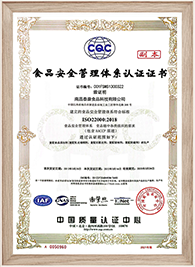
The company has implemented and maintains the HACCP 22000 Food Safety Management System, ensuring reliable products and services. To date, Tellcan has resolved technical challenges for thousands of domestic enterprises and earned prestigious industry recognitions.
Read More About TellcanTellcan's 5+ dedicated R&D centers drive continuous innovation in composite antioxidant formulations, flavor systems, and functional food additive technologies for acidic dairy beverage applications.


The company has implemented and maintains the HACCP 22000 Food Safety Management System, ensuring reliable products and services. Tellcan has resolved technical challenges for thousands of domestic enterprises and earned prestigious recognitions.
 Council Member of China Food Additives Production and Application Industry Association
Standing Council Member of Jiangxi Food Additives Association
Member of China Dairy Products Industry Association
Member of China Bakery & Confectionery Supplementary Materials Industry Association
Member of China National Federation of Industry & Commerce Bakery Association
Premium Products & Global Sourcing
Council Member of China Food Additives Production and Application Industry Association
Standing Council Member of Jiangxi Food Additives Association
Member of China Dairy Products Industry Association
Member of China Bakery & Confectionery Supplementary Materials Industry Association
Member of China National Federation of Industry & Commerce Bakery Association
Premium Products & Global Sourcing




Discover Tellcan's full range of high-performance food additive solutions engineered for acidic dairy beverages, beverages, meat, bakery, and more.
